For some South Side voters, Chicago’s first full school board election isn’t much of a choice
Subdistricts 9A and 10A, covering neighborhoods from Auburn Gresham and Englewood to Woodlawn and South Shore, are uncontested this fall, but the board still controls what happens to South Side schools.
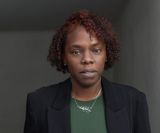
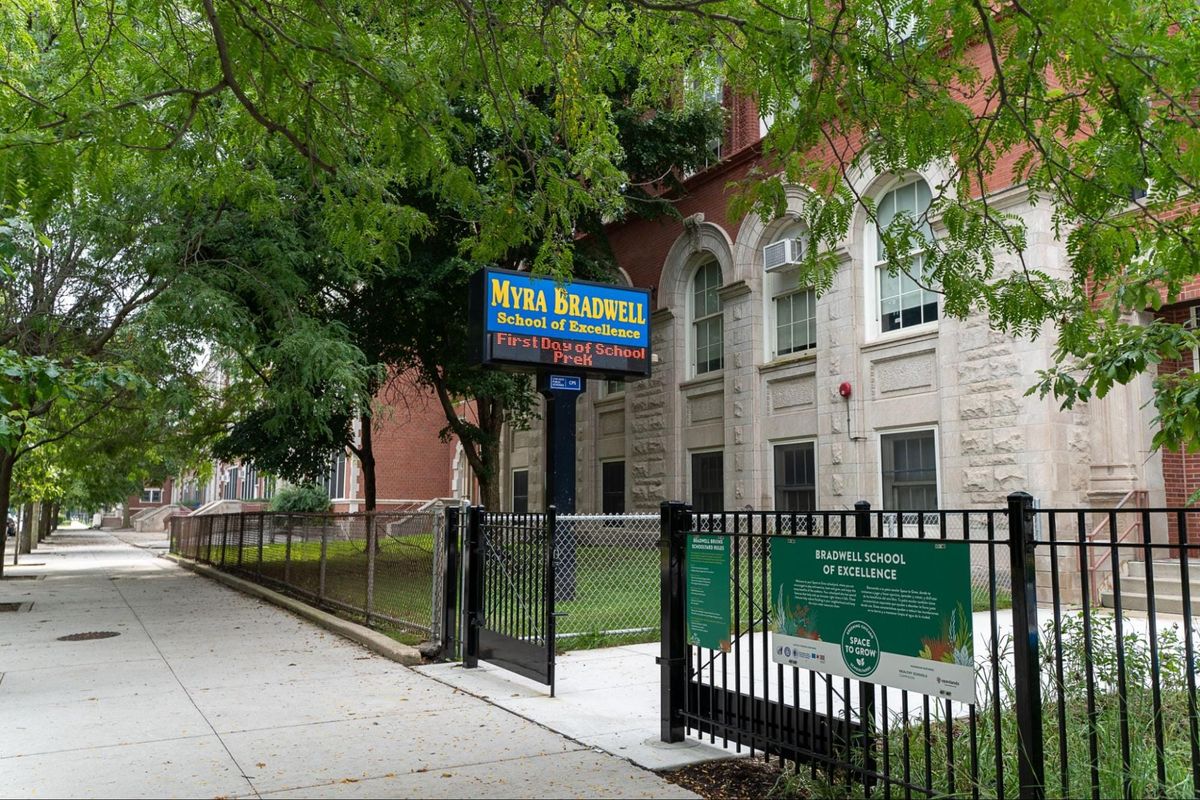
For JP Paulus, a CPS parent and longtime Local School Council member who lives in Bronzeville, one of the most important questions Chicagoans should ask of candidates is whether they are actually connected to the communities they want to represent.
“Is this candidate somebody who actually listens to the community? Has been out in the community?” Paulus told The VP Chicago in an interview.
For South Side and Far South Side families, the election is about more than choosing a name on the ballot. The people elected to the board will help make decisions about how Chicago Public Schools spends its money, how schools are staffed and resourced, and how the district responds to challenges including declining enrollment and the future of neighborhood schools.
Those questions are already playing out on the current board. At an Aug. 27 meeting, CPS said schools with higher teacher vacancy rates remain concentrated on the South and West sides. Later in the meeting, board members debated how the district should invest in arts education. District 10A member Che ‘Rhymefest’ Smith, whose subdistrict includes parts of Kenwood, Oakland, Hyde Park, South Shore and Woodlawn, questioned why millions would go toward one school while schools on the South Side have gone years without similar arts investments. Smith said directing $5 million toward one school while others lacked similar arts funding “borders on corruption.” Board President Sean Harden pushed back on Smith’s use of the word, calling the comment inappropriate and asking him to avoid "inflammatory commentary.” The board ultimately delayed a decision on the arts proposal until September.
This November will mark Chicago’s first election for a fully elected school board. That means families have a direct role in deciding who gets a seat at the table when decisions affecting their schools are made.
But knowing who to vote for starts with knowing what the board actually does, which district represents you, who the candidates are, and where they stand on issues affecting your community.
“The reason why we’ve set up these districts is that the communities should be represented,” Paulus said.
Some South Side voters may have only one candidate to choose from
Chicago’s first fully elected school board election will not necessarily mean every voter has a competitive race. Fifty-one candidates originally filed to run for the board, but more than half faced challenges to their nomination petitions.
Five of the 20 subdistrict races are uncontested, including 9A and 10A on the South Side. Several candidates were removed from the ballot after challenges to their nominating paperwork, including sitting board members. That leaves an unusual question hanging over Chicago’s first fully elected board election: What does having an elected school board mean when some voters have only one person to choose from?
In an uncontested race, voters do not get to choose between candidates for that seat. But the person elected will still represent their subdistrict on the board, where they will vote on decisions affecting CPS schools. Residents can follow those votes, contact their representatives and speak at board meetings about issues affecting their schools and communities.
Neither South Side race started that way. In July, the Chicago Board of Election Commissioners removed incumbent Angel Velez, the board's vice president, from the 9A ballot after objectors challenged his nominating petitions, leaving Brittany Bailey Preston as the only candidate. The board also removed both challengers to incumbent Che "Rhymefest" Smith in 10A, Krista Nichols Alston and Tameka Walton. Walton is running as a write-in candidate with the Chicago Teachers Union's endorsement, so 10A voters can still pick someone other than Smith by writing in her name.
Velez told the Chicago Sun-Times he collected 1,500 signatures, the maximum allowed, and still fell short of the 500 valid ones he needed after objectors challenged most of them. Marlo Barnett, a first-time candidate removed from the 9B ballot the same day, represented herself at the hearing and told the board that knocking qualified candidates off the ballot leaves voters without a choice.
None of that changes what the board can do. Whoever takes the 9A and 10A seats will still vote on the budget, on layoffs, and on which schools get arts money, and voters in both subdistricts still get a say in the citywide race for board president.